Category: Fitness

  • How to Deadlift for Beginners UK: Step-by-Step Training Guide

    How to Deadlift for Beginners UK: Step-by-Step Training Guide

    Deadlifting is a fundamental strength exercise for beginners aiming to build muscle and improve fitness. Correct technique prevents injury and maximises results. This guide breaks down how to deadlift safely and effectively for those starting out in the UK, including key form tips and common mistakes to avoid. For more on beginner workout plans for men UK, see our guide.

    Why Most Men Eat Wrong for Their Training Goals

    Men frequently misunderstand nutrition's role in training. Nutrition is the intake of calories and nutrients that fuel muscles and recovery, with protein being crucial. According to the British Nutrition Foundation protein requirements, adult men need about 0.75g of protein per kilogram of bodyweight daily, increasing to 1.2-1.6g for those engaged in strength training. Overconsumption of calories or neglecting protein can hinder muscle growth or cause unwanted fat gain. Many UK men rely on convenience foods that lack sufficient protein or nutrient density, undermining their training efforts.

    The Three Numbers Every Man Needs to Know

    To optimise training outcomes, every man must know three numbers: daily calorie needs, protein intake, and bodyweight. Calculating calorie needs starts with your basal metabolic rate plus activity levels; NHS understanding calories states an average active man requires about 2,500 calories daily. Protein intake should align with the British Nutrition Foundation protein requirements, aiming for at least 1.2g per kg of bodyweight if training. Lastly, tracking bodyweight weekly provides feedback on progress. UK gyms like PureGym or The Gym Group offer accessible spaces to practice deadlifts safely while monitoring body changes.

    Stop paying someone to tell you what to eat and how to train. The Kira Mei Men’s Blueprint teaches you how to build your own personalised nutrition and workout plans — no trainers, no apps, no nonsense. For just £49.99, you get the full educational blueprint to take control and realise what works for your body.

    The Cheapest High-Protein Foods in UK Supermarkets

    The three mistakes that limit progress are ignoring protein cost, choosing low-quality sources, and skipping meal prep. Money Saving Expert cheap protein sources UK lists affordable options such as canned tuna, eggs, and frozen chicken breasts available at supermarkets like Tesco and Aldi. These foods provide high-quality protein at low cost, essential for muscle repair and growth. Avoiding expensive protein powders and focusing on whole foods ensures budget-friendly nutrition that supports deadlift training.

    How to Build a Day of Eating That Actually Hits Your Targets

    Contrary to popular belief, hitting your protein and calorie targets does not require complicated meals. A balanced day following the NHS Eatwell Guide includes a mix of fruits, vegetables, starchy carbs, protein, and dairy. For instance, breakfast with scrambled eggs on wholemeal toast, a chicken salad for lunch, and baked potatoes with beans and veg for dinner. These meals can deliver around 2,500 calories and 150g of protein, suitable for a 75kg man training to deadlift. Planning meals around supermarket deals further reduces costs while meeting nutritional demands.

    Milo helps you stay consistent — no spreadsheets, no guesswork.

    Your No-Faff Weekly Nutrition Plan

    Track your weight and protein intake daily. Consume at least 1.2g of protein per kilogram of bodyweight from affordable sources. Prepare simple meals in batches every Sunday, focusing on eggs, canned tuna, chicken breast, and lentils. Stay hydrated and vary your vegetables for micronutrients. Aim to eat every 3-4 hours to maintain energy.

    Frequently Asked Questions

    How do I deadlift safely as a beginner in the UK?

    To deadlift safely as a beginner in the UK, maintain a neutral spine, keep your core tight, position your feet shoulder-width apart, grip the bar outside your legs, and lift by driving through your heels while extending your hips and knees. Start with light weights and focus on form to prevent injury.

    What is the recommended protein intake for UK men training with deadlifts?

    The British Nutrition Foundation recommends UK men engaged in strength training consume between 1.2 and 1.6 grams of protein per kilogram of bodyweight daily to support muscle repair and growth.

    Which UK supermarket foods are cheapest for high-protein diets?

    According to Money Saving Expert, the cheapest high-protein foods in UK supermarkets include canned tuna, eggs, frozen chicken breasts, and dried lentils, all widely available at stores like Tesco, Aldi, and Lidl.

    How many calories should a UK man consume daily when starting deadlift training?

    An average active UK man starting deadlift training should consume around 2,500 calories daily, as outlined by the NHS understanding calories guidelines, adjusting for individual activity levels and goals.

    What are common deadlift mistakes beginners should avoid?

    Beginners should avoid rounding their back, lifting with their arms instead of legs, and starting with weights that are too heavy. Proper form and gradual weight increase reduce injury risk and improve results.

    Stop paying for trainers and apps telling you what to do. Get the Kira Mei Men’s Blueprint for £49.99 and learn how to build your own plans that actually work.

    Disclaimer: This article is for informational purposes only and does not constitute medical, nutritional, or professional fitness advice. Always consult a qualified healthcare professional before making changes to your diet or exercise routine.


  • How to Squat Properly UK Beginner: Step-by-Step Guide for Men

    How to Squat Properly UK Beginner: Step-by-Step Guide for Men

    Squatting is a fundamental exercise that builds strength and mobility, but improper form can lead to injuries. Beginners in the UK often struggle with stance, depth, and knee alignment when learning to squat properly. This guide breaks down the essential steps to perform a safe and effective squat, highlighting common errors and how to avoid them. Understanding the correct technique helps maximise results and reduces strain on joints and muscles. For more on beginner workout plans for men UK, see our guide.

    Why Most Men Eat Wrong for Their Training Goals

    Eating wrong for training goals means consuming macronutrients and calories that don’t support muscle growth or fat loss. Protein is essential for muscle repair and growth, with the British Nutrition Foundation protein requirements stating that adult men need at least 0.75 grams of protein per kilogram of bodyweight daily. Many men underconsume protein, limiting progress. Overeating calories without balanced nutrients leads to fat gain rather than lean muscle. Misaligned nutrition and training hinder strength gains and recovery.

    The Three Numbers Every Man Needs to Know

    Three numbers determine effective nutrition and training: calories, protein, and bodyweight. Begin by calculating your daily calorie needs to maintain or adjust weight; the NHS understanding calories states average adult men require around 2,500 kcal/day but this varies by activity. Next, protein intake should be 1.6 to 2.2 grams per kg of bodyweight for muscle building and recovery, as supported by the British Nutrition Foundation. Finally, bodyweight guides portion control and progress tracking. UK supermarkets like Tesco and Aldi offer affordable protein sources to meet these targets.

    If you’re tired of paying personal trainers or apps to tell you what to do, stop. For just £49.99, the Kira Mei Men’s Blueprint teaches you exactly how to build your own effective nutrition and workout plans — no fluff, no guesswork, no monthly fees. Realise your potential by taking control yourself. Get the blueprint now.

    The Cheapest High-Protein Foods in UK Supermarkets

    The three mistakes that limit affordable protein intake are relying on expensive cuts of meat, ignoring plant-based proteins, and buying pre-packaged snacks. These lead to overspending and poor nutrition. According to Money Saving Expert cheap protein sources UK, economical options include canned tuna, eggs, and dried lentils. Eggs provide around 13 grams of protein each at low cost. Lentils offer 9 grams per 100 grams cooked and are versatile. Canned tuna packs approximately 24 grams of protein per 100 grams and stores well. Combining these staples supports muscle repair without breaking the budget.

    How to Build a Day of Eating That Actually Hits Your Targets

    Contrary to popular belief, hitting your nutrition targets isn’t about complicated meal plans but consistent portions of key foods. The NHS Eatwell Guide recommends balancing portions of protein, starchy carbs, fruits, and vegetables daily. For example, a day might include breakfast with two eggs and wholemeal toast, lunch with lentil soup and mixed salad, and dinner with grilled chicken, potatoes, and steamed vegetables. Snacks such as Greek yoghurt or nuts can boost protein intake. Tracking portion sizes and including at least 1.6 grams of protein per kg bodyweight ensures effective muscle support.

    Milo helps you stay consistent — no spreadsheets, no guesswork.

    Your No-Faff Weekly Nutrition Plan

    Start each week by shopping for protein-rich staples like eggs, canned tuna, lentils, chicken breast, and seasonal vegetables. Plan three meals and two snacks daily to meet calorie and protein targets. Prepare meals in bulk to save time and reduce temptation to stray from goals. Use simple seasoning and cooking methods like grilling, boiling, or steaming for health and convenience. Adjust portions based on weekly weight or strength changes.

    Frequently Asked Questions

    How do I squat properly as a beginner in the UK?

    To squat properly as a UK beginner, stand with feet shoulder-width apart, toes slightly out. Keep your chest up and core engaged. Lower yourself by pushing hips back and bending knees until thighs are parallel to the floor. Make sure knees track over toes and don’t cave inward. Keep weight on your heels and rise by driving through them. This form reduces injury risk and optimises muscle activation.

    What common mistakes should UK beginners avoid when squatting?

    Common mistakes for UK beginners squatting include letting knees collapse inward, rounding the lower back, and lifting heels off the ground. These errors increase injury risk and reduce effectiveness. Focus on knee tracking over toes, maintaining a neutral spine, and keeping weight on heels. Practising bodyweight squats before adding load can help establish correct form.

    How deep should a beginner squat go for safe training?

    Beginners should aim to squat until their thighs are parallel to the floor, approximately 90 degrees at the knee. Going deeper may be possible with good hip mobility, but parallel depth is sufficient for muscle engagement and reduces joint strain. Maintaining proper alignment at this depth ensures safety during squats.

    How often should a UK beginner practice squats to improve form?

    UK beginners should practise squats 2 to 3 times per week focusing on technique with 3 sets of 8 to 12 reps using bodyweight. Consistent practice reinforces proper movement patterns and builds strength. Gradually increase volume or resistance once confident with form to avoid injury.

    What role does protein intake play when starting squats?

    Protein intake supports muscle repair and growth when starting squats. According to the British Nutrition Foundation, adult men require at least 0.75 grams of protein per kilogram of bodyweight daily, with higher amounts recommended for muscle building. Meeting protein targets aids recovery and enhances strength gains from squat training.

    Stop paying someone to tell you what to do. For £79.99, get the Kira Mei Men’s Blueprint and learn how to build your own plans that actually work. Buy the blueprint today and take control.

    Disclaimer: This article is for informational purposes only and does not constitute medical, nutritional, or professional fitness advice. Always consult a qualified healthcare professional before making changes to your diet or exercise routine.


  • Is Creatine Worth Taking UK Beginner? Honest Guide for Beginners

    Is Creatine Worth Taking UK Beginner? Honest Guide for Beginners

    Starting a fitness routine can be confusing, especially when considering supplements like creatine. Beginners in the UK often wonder if creatine is effective and safe. This guide clarifies creatine’s benefits, how it fits into workout consistency, and why long-term habits matter more than short bursts of intensity. Understanding its role can help you make informed choices that support steady progress without burnout. For more on nutrition for men UK, see our guide.

    Why Intensity Is Overrated and Consistency Is Everything

    Intensity is the level of effort applied during exercise sessions, but consistency is the repeated engagement over weeks and months. The NHS physical activity guidelines for long-term health emphasise that regular moderate exercise—such as brisk walking or cycling—is more beneficial than sporadic high-intensity bouts. Beginners often start with high enthusiasm but taper off due to unrealistic expectations. Creatine can boost performance during training but won’t compensate for missed sessions. Establishing a habit of steady, manageable workouts is key. Creatine’s role is to support energy production in muscle cells, making workouts feel less taxing and aiding recovery, which helps maintain that consistency.

    The System That Makes Showing Up Automatic

    Creating a system to make exercise a non-negotiable habit involves clear scheduling, environmental cues, and manageable goals. Begin by setting specific days and times for workouts, ideally aligned with your daily routine. For example, shop at Tesco or Sainsbury’s for affordable creatine monohydrate supplements and meal ingredients simultaneously to streamline nutrition. Use reminders on your phone or calendar and prepare gym kit in advance. The Mind organisation highlights that physical activity improves mental health, reinforcing motivation when integrated into daily life. This system reduces reliance on willpower and makes showing up automatic, letting creatine support your body's energy systems during exercise.

    Stop paying someone to tell you what to do. For just £49.99, the Kira Mei Men’s Blueprint teaches you how to build your own training and nutrition programme that fits your life and goals. No fluff, no personal trainers, just straightforward education that lets you take control. Realise your potential with a plan you create yourself: Get the Men’s Blueprint now.

    What Consistent Men Do Differently in Months 2–6

    The three mistakes that undermine progress after the initial phase are: 1) neglecting recovery, leading to burnout or injury; 2) ignoring nutrition, which stalls muscle growth despite effort; 3) inconsistent scheduling, causing loss of habit momentum. Recovery includes quality sleep and rest days; the NHS sleep and physical performance guidance notes sleep’s role in muscle repair and cognitive function. Nutrition must support training demands; creatine supplementation can improve strength only when paired with adequate protein and calories. Finally, maintaining fixed workout times helps embed the routine as a habit. Men who avoid these pitfalls continue progressing past month two, turning short-term effort into long-term gains.

    How to Handle Missed Sessions Without Derailing Progress

    Missed workouts are inevitable, but they don’t have to disrupt progress if managed wisely. Research from Sport England Active Lives reports that long-term participation declines steeply without strategies to re-engage after gaps. Instead of aiming for perfection, treat missed sessions as temporary setbacks. Adjust your plan by redistributing exercise volume over the week or shortening sessions rather than skipping entirely. Creatine’s benefits persist for weeks after stopping, due to muscle saturation, providing a buffer during breaks. This approach reduces guilt and supports mental wellbeing, as endorsed by Mind’s exercise habit and mental health advice, helping you return to training without losing ground.

    Milo helps you stay consistent — no spreadsheets, no guesswork.

    Building a Training Habit That Lasts Years, Not Weeks

    Start by committing to two short sessions per week for the first month, building gradually to three or four as confidence grows. Track your workouts and nutrition, including creatine supplementation if chosen, to monitor progress. Set non-negotiable reminders and prepare your environment to reduce friction. Review and adjust monthly, focusing on small wins rather than drastic changes. This slow-build approach creates durable habits rooted in routine, not motivation.

    Frequently Asked Questions

    Is creatine safe for UK beginners to take?

    Creatine is generally safe for UK beginners when taken as recommended, typically 3-5 grams daily. The British diet and exercise context support its use without adverse effects in healthy individuals. It is one of the most studied supplements with a strong safety profile, especially when hydration and dosage guidelines are followed.

    How long does it take for creatine to show benefits for beginners?

    Creatine typically shows noticeable benefits within 2-4 weeks of consistent daily use, as muscle stores saturate. Beginners often experience improved strength and workout endurance during this period, supporting better training consistency aligned with NHS exercise guidelines.

    Can creatine help improve workout consistency for UK beginners?

    Yes, creatine can support workout consistency by enhancing energy production during high-intensity efforts, reducing fatigue and aiding recovery. This helps beginners maintain steady exercise habits, a key factor highlighted in the NHS physical activity guidelines for long-term health.

    Should UK beginners cycle creatine or take it continuously?

    Most research supports continuous creatine supplementation without cycling for beginners, as muscle saturation is maintained with daily intake around 3-5 grams. There’s no need to stop unless advised by a healthcare professional, ensuring steady support for training sessions.

    What are common mistakes UK beginners make when taking creatine?

    Common mistakes include inconsistent dosing, inadequate hydration, and neglecting nutrition or training. Beginners often expect instant results or skip workouts, which undermines creatine’s effectiveness. Following a consistent schedule and pairing supplementation with proper exercise and diet maximises benefits.

    Stop paying personal trainers to tell you what to do. For £49.99, get the Kira Mei Men’s Blueprint and learn to build your own effective training and nutrition programme. No gimmicks, just real education that puts you in control. Get your blueprint today.

    Disclaimer: This article is for informational purposes only and does not constitute medical, nutritional, or professional fitness advice. Always consult a qualified healthcare professional before making changes to your diet or exercise routine.

  • What to Eat Before the Gym UK Man: Simple Meal Plans for Results

    What to Eat Before the Gym UK Man: Simple Meal Plans for Results

    Knowing exactly what to eat before the gym can make all the difference for UK men looking to build muscle or boost energy. The ideal pre-workout meal balances calories and protein, with timing that suits your session. This guide breaks down the essential numbers you need, highlights affordable foods from UK supermarkets, and provides a practical day of eating tailored to your fitness goals.

    Why Most Men Eat Wrong for Their Training Goals

    Eating wrong before training means missing out on energy and muscle gains. Protein intake is essential: the British Nutrition Foundation protein requirements recommend men consume 0.75 grams of protein per kilogram of bodyweight daily, with higher needs around exercise. Many men under-eat protein or rely on low-quality sources, reducing muscle repair and growth. Carbohydrates fuel workouts but are often neglected or poorly timed, leading to early fatigue. Overeating fat or fibre-rich foods before the gym can cause digestive discomfort during training. A balanced meal with the right protein and carbs, eaten at the right time, supports strength and endurance. Getting these factors wrong can stall progress and cause energy slumps.

    The Three Numbers Every Man Needs to Know

    To fuel your workout properly, focus on three numbers: calories, protein, and bodyweight. First, understand your daily calorie needs using tools aligned with the NHS understanding calories guidance to avoid over- or under-eating. Second, protein intake should be around 1.6–2.2 grams per kilogram of bodyweight for muscle building, according to the British Nutrition Foundation. Third, bodyweight helps scale meal portions and protein targets. For example, a 80kg man should aim for roughly 130–175 grams of protein daily. Pre-workout meals should contain around 0.3–0.4 grams of protein per kilogram 1 to 3 hours before training. UK supermarkets like Tesco, Sainsbury’s, and Aldi stock affordable sources to meet these numbers. Timing meals to consume carbs and protein before workouts improves energy and recovery.

    The Cheapest High-Protein Foods in UK Supermarkets

    The three mistakes that waste money and limit gains are buying expensive protein powders unnecessarily, ignoring supermarket own-brand basics, and overlooking versatile foods. Cheap high-protein options include eggs, tinned tuna, canned beans, and chicken thighs, which often cost less per 100 grams than branded alternatives. According to Money Saving Expert cheap protein sources UK, eggs can cost under 12p each, and tinned tuna around £1 per 4-pack. These foods provide quality protein for muscle repair without breaking the bank. Buying seasonal vegetables and bulk carbs like oats or pasta further cuts costs. Combining these foods into simple pre-gym meals delivers the nutrients you need without expensive supplements.

    How to Build a Day of Eating That Actually Hits Your Targets

    Contrary to popular belief, hitting protein targets doesn't require complicated meals or supplements. A typical day for a UK man weighing 75kg aiming for 130 grams of protein might include:

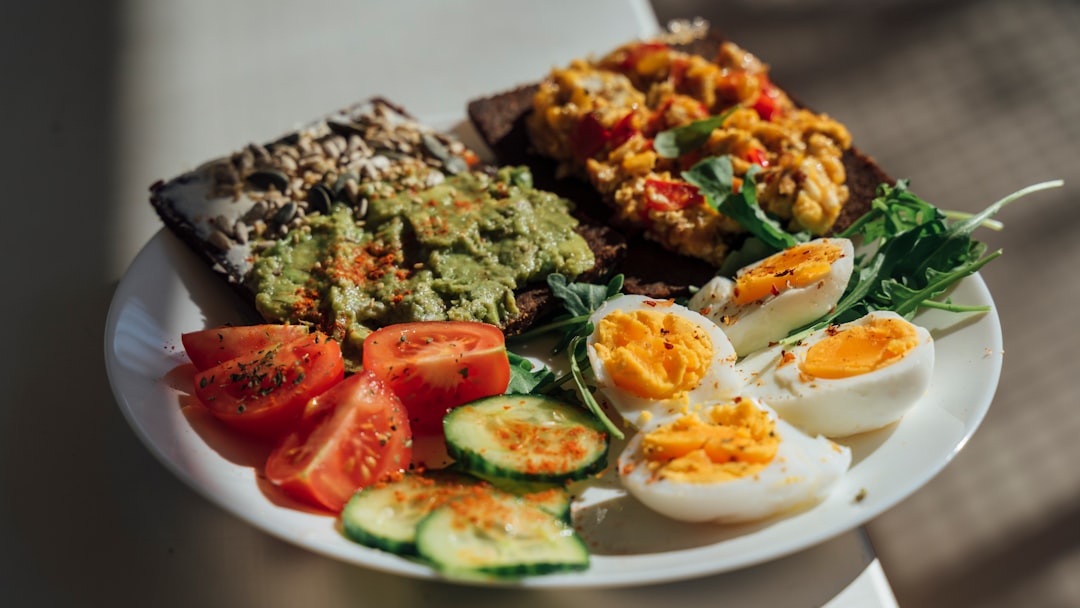
    • Breakfast: 50g oats with 2 scrambled eggs and a banana (approx. 30g protein, 60g carbs)
    • Lunch: Chicken thigh sandwich on wholemeal bread with salad (around 40g protein, 40g carbs)
    • Snack: Greek yoghurt pot and a small apple (15g protein, 20g carbs)
    • Pre-gym meal (1.5 hours before): 150g tinned tuna with brown rice (25g protein, 45g carbs)
    • Dinner: Lean beef stir-fry with vegetables and noodles (30g protein, 50g carbs). For more on nutrition for men UK, see our guide.

    This plan aligns with the NHS Eatwell Guide recommendations for balanced portions of protein, carbs, and vegetables. It also ensures sustained energy and muscle repair. Adjust portions based on your bodyweight and energy expenditure.

    Your No-Faff Weekly Nutrition Plan

    Plan your meals with simple, repeatable combinations to hit protein and carb targets daily. Prepare bulk staples like oats, rice, and chicken thighs ahead. Aim for 3 balanced meals plus 1–2 snacks including protein and carbs timed around workouts. Track your bodyweight weekly to adjust portions. Shopping at budget UK supermarkets and buying own-brand items cuts costs. Keep hydration steady with water throughout the day.

    Frequently Asked Questions

    What should a UK man eat before going to the gym?

    A UK man should eat a balanced meal 1 to 3 hours before the gym containing around 0.3 to 0.4 grams of protein per kilogram of bodyweight and 30 to 50 grams of carbohydrates. This provides energy and supports muscle repair during and after exercise.

    How much protein do men need before a workout in the UK?

    Men in the UK should aim for approximately 0.3 to 0.4 grams of protein per kilogram of bodyweight before a workout. For example, a 75kg man would need about 22 to 30 grams of protein in a pre-gym meal to support muscle synthesis.

    Which affordable protein foods are best for UK men pre-gym?

    Affordable protein foods for UK men before the gym include eggs, tinned tuna, chicken thighs, canned beans, and Greek yoghurt. According to Money Saving Expert, these options provide quality protein at low cost, ideal for pre-workout nutrition.

    How long before the gym should UK men eat their meal?

    UK men should eat their pre-gym meal approximately 1 to 3 hours before training. This timing balances digestion and energy availability, reducing discomfort and optimising workout performance.

    What is a simple pre-workout meal plan for men in the UK?

    A simple pre-workout meal for UK men could include 150g tinned tuna with brown rice, providing about 25 grams of protein and 45 grams of carbohydrates. This combination fuels energy needs and muscle repair ahead of exercise.

    Stop paying someone to tell you what to eat. Take control with the Kira Mei Men’s Blueprint. For just £49.99, you get an educational programme that teaches you exactly how to build your own nutrition and training plans—no personal trainer needed. Realise your potential by learning the science and strategy behind effective fitness plans. Get the Men’s Blueprint now and start building your own plan today.

    Disclaimer: This article is for informational purposes only and does not constitute medical, nutritional, or professional fitness advice. Always consult a qualified healthcare professional before making changes to your diet or exercise routine.


  • How to Eat Enough Protein Without Supplements UK: A Beginner’s Guide

    How to Eat Enough Protein Without Supplements UK: A Beginner’s Guide

    Eating enough protein without supplements in the UK is achievable by focusing on whole foods and understanding your personal needs. Protein intake depends on bodyweight and activity level, with the British Nutrition Foundation recommending 0.75g per kg bodyweight for adults. This guide explains the key numbers to track, the best affordable protein sources from UK supermarkets, and a practical daily meal plan to hit your targets without relying on powders or pills. For more on nutrition for men UK, see our guide.

    Why Most Men Eat Wrong for Their Training Goals

    Protein intake is the amount of protein consumed daily, crucial for muscle repair and growth. The British Nutrition Foundation protein requirements clearly state that the average adult needs 0.75g per kg of bodyweight, but active men require more to support training adaptations. One common mistake is eating too little protein overall, which limits progress and recovery. Another error is timing; spreading protein evenly across meals optimises muscle protein synthesis. Lastly, overreliance on processed foods often leads to insufficient protein quality and quantity. For example, a man weighing 75kg should aim for at least 120g of protein daily when training regularly. Recognising these facts is key to adjusting eating habits effectively.

    The Three Numbers Every Man Needs to Know

    To eat enough protein without supplements, start with three key numbers: your bodyweight, your protein target, and your daily calorie target. First, weigh yourself accurately. Then multiply your bodyweight in kilograms by 1.6 to 2.2g to find your protein range. For example, a 70kg man should target 112g to 154g of protein daily. Next, calculate your calorie needs based on activity level using NHS understanding calories guidelines. Protein should make up around 15–25% of your total calories. Finally, distribute protein intake evenly across 3 to 5 meals a day, each containing 25–40g of protein. Shopping at UK supermarkets like Tesco, Aldi, or Sainsbury’s allows access to affordable protein sources to meet these numbers.

    Stop paying someone to tell you what to eat and how to train. The Kira Mei Men’s Blueprint teaches you exactly how to build your own nutrition and workout plans that work for your body and goals — no personal trainer required. For just £49.99, you get a straightforward, no-nonsense programme that cuts through the fluff and lets you take control. Why waste money on automated apps or PTs when you can learn to do it yourself?

    The Cheapest High-Protein Foods in UK Supermarkets

    The three mistakes that limit protein intake on a budget are ignoring supermarket deals, choosing processed ready meals, and avoiding plant-based protein. According to Money Saving Expert cheap protein sources UK, eggs cost as little as 11p each and provide 6g of protein, making them a top budget option. Canned tuna and sardines are another cheap source, offering about 20g of protein per 100g serving and lasting long in the cupboard. Pulses such as lentils and beans are low-cost, rich in protein and fibre, costing under £1 per 500g. Avoiding processed ready meals saves money and ensures better protein quality. Combining these foods can hit protein targets affordably without supplements.

    How to Build a Day of Eating That Actually Hits Your Targets

    A less obvious insight is that planning meals around protein density and portion size makes hitting your target effortless. For example, breakfast could be 3 scrambled eggs (18g protein) with wholemeal toast. Lunch might include a tuna salad with 150g canned tuna (30g protein) and mixed vegetables. Afternoon snack could be a pot of Greek yoghurt (10g protein) with a handful of nuts. Dinner could feature 150g chicken breast (40g protein) with rice and steamed greens. This day totals approximately 100g of protein, covering the needs of a 60–70kg man training regularly. The NHS Eatwell Guide supports such balanced meals with protein from diverse sources while meeting micronutrient needs.

    Stop paying someone to tell you this. Learn to build your own plan with the Kira Mei Men’s Blueprint — a clear, direct programme for £49.99 that shows you how to take control of your nutrition and training without relying on trainers or apps.

    Your No-Faff Weekly Nutrition Plan

    Create a weekly plan focused on buying and preparing versatile protein sources like eggs, canned fish, pulses, lean meats, and dairy. Cook in bulk where possible and portion meals to ensure consistent protein intake every day. Aim to hit your calculated protein target daily, adjusting portions as needed. Include vegetables and whole grains for overall health. Plan shopping trips around supermarket offers to save money. Regularly track weight and protein intake to fine-tune your plan.

    Frequently Asked Questions

    How much protein do I need daily without supplements in the UK?

    Adults in the UK need at least 0.75g of protein per kilogram of bodyweight daily, according to the British Nutrition Foundation. Active men aiming for muscle growth should target between 1.6g and 2.2g per kilogram to support training and recovery.

    What are cheap high-protein foods available in UK supermarkets?

    Cheap high-protein foods in UK supermarkets include eggs (6g protein each), canned tuna and sardines (about 20g protein per 100g), and pulses like lentils and beans, which cost under £1 per 500g and offer substantial protein and fibre, according to Money Saving Expert.

    Can I meet my protein needs without using protein powders in the UK?

    Yes, you can meet protein needs through whole foods such as eggs, dairy, canned fish, lean meats, and pulses. Planning meals to include 25–40g of protein per meal across 3 to 5 meals daily ensures adequate intake without protein powders.

    How should I distribute protein intake throughout the day?

    Distributing protein evenly across meals optimises muscle protein synthesis. Aim for 3 to 5 meals per day, each containing 25–40g of protein. This approach aligns with the British Nutrition Foundation’s guidelines and supports recovery and muscle maintenance.

    What is a practical daily meal example to hit protein targets without supplements?

    A practical day includes 3 scrambled eggs for breakfast (18g protein), a tuna salad with 150g canned tuna for lunch (30g protein), Greek yoghurt snack (10g protein), and 150g chicken breast with rice for dinner (40g protein), totalling around 100g protein suitable for an active 60–70kg man.

    Take control today. Get the Kira Mei Men’s Blueprint for £49.99 and stop paying others to tell you what to do.

    Disclaimer: This article is for informational purposes only and does not constitute medical, nutritional, or professional fitness advice. Always consult a qualified healthcare professional before making changes to your diet or exercise routine.

  • How Many Calories Should a Man Eat to Build Muscle UK Beginners

    How Many Calories Should a Man Eat to Build Muscle UK Beginners

    Building muscle requires precise calorie and protein intake tailored to your body weight and activity level. For men in the UK, consuming between 2,500 and 3,000 calories daily, combined with sufficient protein, supports muscle growth. Knowing the right foods and portion sizes from UK supermarkets ensures you meet these targets affordably and efficiently. This guide breaks down the key numbers and practical meal ideas for muscle building. For more on nutrition for men UK, see our guide.

    Why Most Men Eat Wrong for Their Training Goals

    Muscle building is the process of increasing muscle mass through a calorie surplus combined with strength training. The British Nutrition Foundation states that protein requirements for muscle growth range from 1.6 to 2.2 grams per kilogram of body weight daily. Many men either consume too few calories or neglect protein quality, slowing progress. Overeating unhealthy foods leads to fat gain, while under-eating protein limits muscle repair. The NHS Eatwell Guide emphasises balanced meals with protein, carbohydrates, and fats to fuel training and recovery effectively. Misaligned calorie intake is a common reason muscle gain stalls.

    The Three Numbers Every Man Needs to Know

    The three key numbers for building muscle are daily calories, protein intake, and body weight. First, establish your maintenance calories using an online calculator or estimate around 2,500 calories for an average UK man. Then add 250 to 500 calories for muscle gain. Second, multiply your body weight in kilograms by 1.6 to 2.2 to determine your daily protein grams, as recommended by the British Nutrition Foundation. For example, a 75 kg man needs 120 to 165 grams of protein. Third, track your weight weekly and adjust calories accordingly. Tesco and Sainsbury’s offer affordable protein-rich foods that fit these targets. Timing meals around workouts can improve results but is less critical than total intake.

    Stop paying someone to tell you what to eat and how to train. The Kira Mei Men’s Blueprint teaches you to build your own muscle-building nutrition and workout plans with no fluff or personal trainers taking a cut. For just £49.99, you get a straightforward, no-nonsense programme that realises your potential on your terms.

    The Cheapest High-Protein Foods in UK Supermarkets

    The three mistakes that waste money and stall muscle growth are ignoring protein cost, buying ultra-processed options, and skipping legumes. Meat and dairy are key protein sources but can be expensive. According to Money Saving Expert, budget-friendly options include canned tuna, frozen chicken breasts, and eggs from supermarkets like Aldi and Lidl. Pulses such as lentils and chickpeas provide plant protein at low cost and add fibre. Choosing whole foods over ready meals improves nutrient density and satiety. Planning meals with these staples helps meet protein goals without overspending.

    How to Build a Day of Eating That Actually Hits Your Targets

    Most people underestimate portion sizes and protein content. A typical muscle-building day for a 75 kg man aiming for 2,800 calories and 150 grams of protein could start with porridge made from 60g oats and 30g whey protein, providing 40g protein. Lunch might be grilled chicken breast (150g) with brown rice and vegetables, adding 45g protein. Snacks like Greek yoghurt and mixed nuts contribute 20g protein. Dinner could be baked salmon (150g) with sweet potato and broccoli, adding 45g protein. The NHS Eatwell Guide supports this mix of whole grains, lean protein, and vegetables to supply all nutrients needed for muscle synthesis.

    Stop paying someone to tell you this. The Kira Mei Men’s Blueprint for £49.99 shows you exactly how to build your own plans without the guesswork or costly personal trainers.

    Your No-Faff Weekly Nutrition Plan

    Plan your meals Monday to Sunday with fixed protein portions at each meal. Set reminders to prepare bulk meals on weekends using affordable protein sources from UK supermarkets. Aim for three main meals and two snacks daily hitting your calorie and protein targets. Weigh yourself weekly to check progress and adjust calories if weight stalls or excessive fat gain occurs. Keep hydration steady with water and moderate caffeine.

    Frequently Asked Questions

    How many calories should a man eat to build muscle in the UK?

    A man in the UK looking to build muscle should aim to consume between 2,500 and 3,000 calories daily, depending on his weight, age, and activity level. Adding a 250 to 500-calorie surplus above maintenance calories supports muscle growth effectively.

    What is the recommended daily protein intake for muscle building in UK men?

    The British Nutrition Foundation recommends 1.6 to 2.2 grams of protein per kilogram of body weight daily to support muscle repair and growth for men engaged in strength training.

    Which UK supermarket foods are cheapest sources of protein for muscle gain?

    Money Saving Expert lists canned tuna, frozen chicken breasts, eggs, lentils, and chickpeas from UK supermarkets like Aldi, Lidl, Tesco, and Sainsbury’s as affordable, high-protein options for muscle-building diets.

    How can I estimate my calorie needs to build muscle?

    Estimate your maintenance calories using an online calculator or assume roughly 2,500 calories for an average UK man, then add 250 to 500 calories daily to create a surplus necessary for muscle growth.

    What is a practical daily meal plan to meet muscle-building calorie and protein goals?

    A typical day might include porridge with protein powder (40g protein), grilled chicken with rice and veggies (45g protein), Greek yoghurt snacks (20g protein), and baked salmon with sweet potato (45g protein), totalling around 2,800 calories and 150 grams of protein.

    Stop paying personal trainers to tell you what to do. Get the Kira Mei Men’s Blueprint for £49.99 and learn to build your own muscle-building plans that work for you.

    Disclaimer: This article is for informational purposes only and does not constitute medical, nutritional, or professional fitness advice. Always consult a qualified healthcare professional before making changes to your diet or exercise routine.

  • How to Cut Body Fat UK Man: Simple Steps for Beginners

    How to Cut Body Fat UK Man: Simple Steps for Beginners

    Cutting body fat efficiently requires understanding your calorie needs, protein intake, and eating affordable, filling meals. For UK men, focusing on practical numbers like 500 calories deficit daily, 1.6–2.2g protein per kg bodyweight, and shopping smart at supermarkets can accelerate fat loss. Realistic meal plans with familiar foods ensure sustainability. This guide offers a straightforward approach to reduce fat while maintaining muscle, based on UK nutritional standards and supermarket options.

    Why Most Men Eat Wrong for Their Training Goals

    Eating wrong for fat loss typically means consuming too many calories from low-protein, high-fat, or high-sugar foods. Fat loss is the process of reducing stored body fat by creating an energy deficit. The British Nutrition Foundation recommends protein intakes of 1.6 to 2.2 grams per kilogram of bodyweight to support muscle maintenance during fat loss. Many men underestimate protein needs or neglect meal balance, leading to muscle loss and slower metabolism.

    Common errors include skipping meals, which can reduce metabolic rate, or over-relying on processed convenience foods that are calorie-dense but nutrient-poor. The NHS Eatwell Guide highlights the importance of fruits, vegetables, whole grains, and lean protein sources to maintain health during fat loss. Ignoring these principles often results in poor energy levels and unsustainable diets. For more on bulking and cutting UK, see our guide.

    Men aiming to cut fat should focus on consistent eating patterns with adequate protein, fibre, and micronutrients. This approach preserves muscle, supports recovery, and improves satiety, preventing binge episodes and yo-yo dieting.

    The Three Numbers Every Man Needs to Know

    The three numbers every man needs to know to cut body fat are daily calorie target, protein intake, and bodyweight. First, set a calorie deficit of around 500 calories below your maintenance level to lose roughly 0.5 kilograms per week. The NHS explains that a calorie deficit is essential for weight loss because it forces the body to use stored fat for energy.

    Second, protein intake should be between 1.6 and 2.2 grams per kilogram of bodyweight daily. The British Nutrition Foundation protein requirements specify this range as optimal for preserving muscle while losing fat. For example, a 75kg man should aim for 120–165g protein daily.

    Third, track your bodyweight weekly to adjust calories and protein as needed. Using gym facilities like PureGym or The Gym Group in the UK is ideal for resistance training, which supports muscle retention during fat loss. Supermarkets such as Tesco and Aldi offer affordable protein sources that fit these targets, making adherence practical and cost-effective.

    Stop paying someone to tell you what to eat and how to train. The Kira Mei Men’s Blueprint teaches you how to build your own personalised nutrition and workout plans that actually work — no fluff, no PT nonsense. For just £49.99, you get a straightforward, no-faff educational programme that realises you don’t need an app or subscription to get results.

    The Cheapest High-Protein Foods in UK Supermarkets

    The three mistakes that waste your budget and hinder fat loss are ignoring price per protein gram, buying branded over own-label, and avoiding frozen or canned options. These errors increase food costs and reduce diet sustainability.

    Budget-friendly high-protein foods in UK supermarkets include canned tuna, which offers around 25g protein per 100g at low cost; dried lentils, providing 9g protein per 100g cooked; and eggs, with approximately 13g protein per 100g. According to Money Saving Expert cheap protein sources UK, choosing own-label versions at Aldi or Lidl further reduces costs without sacrificing quality.

    Frozen chicken breasts and low-fat natural yoghurt also provide affordable protein options. Incorporating these into meals helps meet protein targets without overspending. Avoiding expensive cuts of meat or protein powders makes the diet more accessible and easier to maintain long term.

    How to Build a Day of Eating That Actually Hits Your Targets

    Contrary to popular belief, you don't need complex meals to hit fat loss targets. A straightforward day of eating with three meals and two snacks can easily meet calorie and protein goals when planned correctly.

    Start with a breakfast of porridge made with 40g oats and 200ml semi-skimmed milk, topped with a boiled egg and a banana. This provides around 20g protein and 400 calories. Lunch could be a chicken salad with 150g cooked chicken breast, mixed salad leaves, cherry tomatoes, and a drizzle of olive oil, totalling 40g protein and 400 calories.

    A mid-afternoon snack of low-fat natural yoghurt (150g) and a handful of almonds adds 15g protein and 200 calories. Dinner might be 150g baked salmon with 150g steamed broccoli and 150g boiled new potatoes for 45g protein and 500 calories.

    This meal plan aligns with the NHS Eatwell Guide recommendations for balanced meals and reaches approximately 150g protein and 1,500 calories, suitable for a 75kg man cutting fat. Adjust portions based on individual calorie targets.

    Stop paying someone to tell you this. The Kira Mei Men’s Blueprint is your no-nonsense guide to building your own plans for just £49.99 or £79.99 with extra support. Learn how to plan meals and workouts that fit your life and goals, without relying on apps or trainers.

    Your No-Faff Weekly Nutrition Plan

    Plan your week around simple meals using three core protein sources: chicken, eggs, and canned tuna. Shop at Aldi or Lidl to keep costs low. Prepare meals in bulk every Sunday to save time and reduce temptation.

    Aim for 1.6–2.2g protein per kg bodyweight daily and maintain a 500 calorie deficit. Include plenty of vegetables and whole grains guided by the NHS Eatwell Guide. Track your weight weekly to adjust calories as needed.

    Limit sugary snacks and alcohol, focusing instead on nutrient-dense, filling foods. Resistance training three times per week supports muscle retention. Learn more about the Kira Mei Men’s Blueprint and how it can help you get started.

    Frequently Asked Questions

    How many calories should a UK man eat to cut body fat?

    A UK man should create a daily calorie deficit of around 500 calories from his maintenance level to cut body fat safely, which typically results in losing about 0.5kg per week. This approach is supported by the NHS understanding calories guidelines.

    What is the ideal protein intake for UK men cutting body fat?

    The British Nutrition Foundation recommends UK men consume between 1.6 and 2.2 grams of protein per kilogram of bodyweight daily during fat loss to maintain muscle mass and support recovery.

    Which UK supermarket foods are cheapest for high protein?

    According to Money Saving Expert cheap protein sources UK, affordable high-protein foods include canned tuna, dried lentils, eggs, frozen chicken breasts, and low-fat natural yoghurt from supermarkets like Aldi, Lidl, and Tesco.

    How can UK men structure meals to cut body fat effectively?

    UK men can structure meals by including three balanced meals and two snacks daily, focusing on protein-rich foods and vegetables, following the NHS Eatwell Guide. For example, porridge with eggs for breakfast, chicken salad for lunch, yoghurt snack, and salmon with vegetables for dinner.

    Is resistance training necessary for UK men cutting body fat?

    Resistance training is necessary to preserve muscle mass during fat loss. UK men are advised to engage in resistance exercises at least three times per week, which supports lean mass retention alongside a calorie deficit.

    Disclaimer: This article is for informational purposes only and does not constitute medical, nutritional, or professional fitness advice. Always consult a qualified healthcare professional before making changes to your diet or exercise routine.


  • How to Do a Lean Bulk UK: A Beginner’s Guide for Men

    How to Do a Lean Bulk UK: A Beginner’s Guide for Men

    A lean bulk involves gaining muscle with minimal fat increase by carefully balancing calorie intake and exercise. In the UK, understanding nutritional needs and training principles is key to effective lean bulking. This guide breaks down the process into actionable steps, including how many extra calories to consume, the right protein amounts, and strength training routines. Whether you’re new or restarting your fitness journey, lean bulking requires control and consistency to avoid unnecessary fat gain while building muscle mass. For more on bulking and cutting UK, see our guide.

    Bulk or Cut First: Why Most Men Answer This Wrong

    Bulk or cut is a common fitness dilemma. Bulking is consuming more calories than you burn to gain muscle, while cutting is eating fewer calories to lose fat. Most men start bulking too aggressively, gaining unnecessary fat. Lean bulking is defined by a calorie surplus of 250-500 kcal daily, which supports muscle gain with minimal fat gain. The NHS advises understanding your calorie needs precisely to avoid overshooting this surplus and gaining excess fat. Skipping an initial cut phase is often better if body fat is below 15%. Starting with lean bulk avoids the yo-yo effect of bulking and cutting cycles common in men’s fitness.

    What Bulking and Cutting Actually Mean (Not the Instagram Version)

    Bulking is increasing calorie intake to build muscle, but the Instagram version often promotes eating anything and everything. In reality, bulking requires precise calorie and macronutrient management. According to the NHS, maintaining a surplus of 250-500 calories daily supports muscle synthesis without excessive fat. Protein intake should be 1.4-1.8 g/kg as per the British Nutrition Foundation. Cutting means reducing calories to lose fat but risks muscle loss if done aggressively. Real UK supermarkets like Tesco and Sainsbury’s offer a variety of lean protein sources and complex carbs suitable for lean bulking. Gyms such as PureGym or The Gym Group provide affordable access to strength training equipment necessary for progressive overload.

    Stop paying someone to tell you what to eat and how to train. The Kira Mei Men’s Blueprint teaches you how to build your own effective, personalised fitness and nutrition plans without relying on personal trainers or cookie-cutter programmes. For just £49.99, you get a clear, no-nonsense educational blueprint that cuts through the fluff and lets you take control. Why hand over £79.99+ a month for automated plans when you can learn to create your own? Realise your potential with knowledge, not subscriptions.

    The Body Recomposition Option Nobody Talks About

    The three mistakes that hinder body recomposition are: 1) Eating too large a calorie surplus leading to fat gain, 2) Neglecting protein intake which compromises muscle retention, and 3) Inconsistent strength training that fails to stimulate muscle growth. These errors result in more fat gain than muscle and slow progress. Body recomposition—losing fat while gaining muscle—requires a fine balance of slight calorie surplus or maintenance plus high protein intake and regular strength training twice a week as recommended by the NHS. This strategy is often overlooked but can be effective for those with some training experience.

    How to Choose Based on Your Body, Not What You See Online

    Choosing whether to bulk or cut depends on your current body fat percentage and goals, not on social media trends. If your body fat is above 20%, starting with a cut phase is advisable to improve insulin sensitivity and muscle definition. For men under 15% body fat, a lean bulk is more effective. The British Nutrition Foundation emphasises protein needs vary by activity level; active men require higher protein to build muscle. The NHS BMI calculator can help assess your starting point. The best approach is evidence-based and individualised rather than generic advice.

    Stop paying someone to tell you this. Learn how to build your own plans with the Kira Mei Men’s Blueprint — a straightforward educational programme priced at £49.99 that teaches you everything you need to know to take control of your fitness without relying on personal trainers or expensive subscriptions.

    Your Decision Made: A Clear Starting Framework

    Start by calculating your maintenance calories, then add a 250-500 calorie surplus for lean bulking. Track weight and strength weekly to adjust intake. Consume 1.4-1.8 g/kg protein daily and perform strength training targeting all major muscle groups at least twice a week following NHS guidelines. Avoid large calorie spikes to minimise fat gain. Reassess after 8-12 weeks and adjust accordingly.

    Frequently Asked Questions

    How many calories should I eat for a lean bulk in the UK?

    For a lean bulk in the UK, aim for a calorie surplus of 250 to 500 kcal above your maintenance level daily, as recommended by the NHS. This moderate increase supports muscle growth while minimising fat gain. Tracking intake and adjusting every few weeks based on weight and strength changes is essential for progress.

    What is the recommended protein intake for lean bulking in active UK men?

    Active men in the UK should consume between 1.4 and 1.8 grams of protein per kilogram of body weight daily to support muscle growth, according to the British Nutrition Foundation. This ensures adequate amino acids for muscle repair during a lean bulk.

    How often should I do strength training when lean bulking?

    The NHS advises adults to perform strength training exercises at least twice per week targeting all major muscle groups. This frequency promotes muscle hypertrophy during a lean bulk without overtraining.

    Should I bulk or cut first if I have above 20% body fat?

    If your body fat is above 20%, it is generally recommended to prioritise a cut phase before bulking. Reducing fat improves insulin sensitivity and muscle definition, making lean bulking more effective afterwards.

    Can I lean bulk while losing fat at the same time?

    Body recomposition—gaining muscle while losing fat—is possible but requires precise calorie control, high protein intake, and consistent strength training. This approach is more effective for those with some training experience and involves eating around maintenance calories.

    Stop paying for automated plans. Learn to build your own. Get the Kira Mei Men’s Blueprint now for £49.99 and take control of your fitness with a programme that teaches you how to create your own effective plans.

    Disclaimer: This article is for informational purposes only and does not constitute medical, nutritional, or professional fitness advice. Always consult a qualified healthcare professional before making changes to your diet or exercise routine.


  • Should I Bulk or Cut First UK Beginner: Practical Advice to Start Right

    Should I Bulk or Cut First UK Beginner: Practical Advice to Start Right

    Deciding whether to bulk or cut first is a common dilemma for UK beginners starting fitness programmes. Typically, those new to training can gain muscle and lose fat simultaneously but often stall due to inconsistent habits. A realistic approach focuses on building steady routines rather than short bursts of intensity. Understanding your current body composition and setting manageable goals will guide whether to prioritise bulking or cutting first, ensuring progress without burnout.

    Why Intensity Is Overrated and Consistency Is Everything

    Consistency is the regular practice of physical activity and nutrition over time, which research shows is more crucial than high-intensity bursts. The NHS physical activity guidelines for adults aged 19 to 64 recommend at least 150 minutes of moderate-intensity exercise weekly, combined with strength sessions two or more days per week. This approach supports gradual muscle gain and fat loss without overwhelming beginners. Focusing on consistent, manageable sessions reduces dropout rates and improves long-term adherence. It also aligns with the body's natural adaptation process, allowing recovery and growth. Intensity spikes without consistency often lead to burnout and injury, which halt progress. Therefore, beginners should prioritise establishing a steady routine that fits their schedule and physical capacity before increasing workout intensity. For more on bulking and cutting UK, see our guide.

    The System That Makes Showing Up Automatic

    Creating a system to automate attendance removes reliance on willpower. Start by scheduling workouts at the same time daily or every other day, using reminders and calendar blocks. For UK beginners, combining gym visits with local supermarket trips (such as Tesco or Sainsbury's) can streamline meal prep and workout days. Preparing meals in advance, using simple recipes and portion control, reduces decision fatigue. Tracking progress with a journal or app reinforces habit formation. Incorporate small rewards, like a favourite healthy snack post-workout, to build positive associations. Over time, these steps create a routine that feels automatic rather than forced. The Sport England Active Lives data indicates those who embed physical activity in weekly routines are 40% more likely to maintain it long-term.

    If you're tired of paying personal trainers or apps to tell you what to do, stop. For just £49.99, the Kira Mei Men's Blueprint teaches you how to build your own effective training and nutrition plans — no fluff, no guesswork, no ongoing fees. Realise your potential by taking control and learning the system that works. Check it out here: https://www.kiramei.co.uk/mens

    What Consistent Men Do Differently in Months 2–6

    The three mistakes that sabotage beginner progress are: 1) Ignoring realistic pacing, which leads to injury or burnout; 2) Overcomplicating nutrition, causing frustration and lapses; 3) Skipping recovery, resulting in stalled gains and fatigue. Men who maintain steady progress focus on moderate increases in training volume, simple meal plans prioritising whole foods, and rest days aligned with NHS recovery advice. They also adjust goals monthly based on progress, avoiding the trap of all-or-nothing thinking. This measured approach reduces plateaus and supports habit retention, which is critical between months 2 and 6 when motivation typically dips.

    How to Handle Missed Sessions Without Derailing Progress

    Missing workouts is inevitable but not catastrophic. Evidence from Mind shows that physical activity positively impacts mental health, and feeling guilty about missed sessions can harm motivation. The key is to resume quickly without overcompensation. Research suggests that even a week-long break does not erase all fitness gains if consistent effort resumes promptly. Instead of punishing yourself, adjust the upcoming week’s schedule to accommodate missed sessions gradually. Maintaining a flexible mindset and focusing on the next action helps prevent the all-or-nothing cycle common among beginners.

    Building a Training Habit That Lasts Years, Not Weeks

    Start by committing to three 30-minute sessions weekly for the first month, focusing on simple workouts that require minimal equipment. Set non-negotiable times and prepare your environment the night before. Use a habit tracker to monitor progress and adjust only if consistently meeting targets. Gradually increase complexity and volume after six weeks. Prioritise sleep and nutrition to support recovery, referencing NHS sleep guidelines to optimise performance. Learn more about the Kira Mei Men’s Blueprint and how it can help you take control: https://www.kiramei.co.uk/mens.

    Frequently Asked Questions

    Should I bulk or cut first as a UK beginner with some extra body fat?

    If you have extra body fat, it is generally better to start with a mild calorie deficit to improve health and energy levels before bulking. The NHS physical activity guidelines recommend combining this with moderate exercise to preserve muscle during fat loss.

    Can beginners gain muscle and lose fat at the same time in the UK?

    Yes, beginners can experience 'newbie gains' allowing simultaneous muscle gain and fat loss. This effect is most pronounced in the first 3 to 6 months of consistent training and nutrition, as supported by UK-based fitness research.

    How long should UK beginners stick to a bulking or cutting phase before switching?

    A typical phase lasts around 8 to 12 weeks, allowing measurable progress while avoiding burnout. The Sport England Active Lives study notes that consistent routines over this period improve adherence and long-term success.

    What is the best way for UK beginners to stay consistent with workouts?

    Scheduling workouts at the same time weekly, preparing meals in advance, and tracking progress are effective. Embedding sessions within existing routines increases consistency, as reflected in the Sport England Active Lives participation data.

    How should UK beginners handle missed sessions to avoid losing progress?

    Missing a session is not detrimental if you resume promptly. Mind research highlights that maintaining a flexible, positive mindset reduces dropout risk. Adjust your schedule without overcompensation to keep progress steady.

    Stop paying someone to tell you what to do. For £49.99 or £79.99, the Kira Mei Men’s Blueprint teaches you how to build your own plans that actually work. Take control now: https://www.kiramei.co.uk/mens

    Disclaimer: This article is for informational purposes only and does not constitute medical, nutritional, or professional fitness advice. Always consult a qualified healthcare professional before making changes to your diet or exercise routine.


  • How Much Protein Do Men Need to Build Muscle UK Beginners Guide

    How Much Protein Do Men Need to Build Muscle UK Beginners Guide

    Knowing how much protein men need to build muscle in the UK is crucial for effective training and nutrition. Protein supports muscle repair and growth, but the exact amount depends on factors like training intensity, body weight, and goals. Most men aiming to build muscle require around 1.6 to 2.2 grams of protein per kilogram of body weight daily. Balancing protein intake with consistent exercise and rest is key to steady progress without burnout or injury.

    Why Intensity Is Overrated and Consistency Is Everything

    Intensity is the degree of effort exerted during exercise or nutrition, but consistency is the repeated application of these efforts over time. The NHS physical activity guidelines for long-term health recommend at least 150 minutes of moderate-intensity exercise weekly for adults aged 19 to 64, with muscle-strengthening activities on two or more days. This shows that regular, sustainable efforts are preferred over sporadic high-intensity bursts.

    Men often assume that pushing to maximum intensity daily accelerates muscle growth. However, this can lead to burnout, injury, and stagnation. Muscle protein synthesis requires adequate recovery and consistent nutritional support, especially protein. Without regular intake of 1.6 to 2.2 grams per kilogram of body weight, gains plateau despite high effort.

    Consistency also develops habit loops that reduce reliance on motivation. A planned schedule of workouts paired with steady protein consumption creates an environment where progress is the default outcome. This approach aligns with behavioural science, which highlights repetition as a key driver of lasting change. For more on nutrition for men UK, see our guide.

    The System That Makes Showing Up Automatic

    A system that automates gym attendance and protein intake reduces decision fatigue and builds resilience against common barriers. Start by setting fixed workout days, for example Monday, Wednesday, and Friday evenings, after work. Use reminders linked to daily activities, like preparing a protein-rich meal right after grocery shopping at UK supermarkets such as Tesco or Sainsbury’s.

    Planning meals in advance helps meet protein targets effortlessly. Aim for protein sources like lean chicken, beans, eggs, and dairy, which are widely available across the UK. Packing snacks like Greek yoghurt or mixed nuts ensures steady intake between meals.

    Tracking progress with a simple journal or phone app creates accountability. Recording body weight weekly and noting protein consumption helps adjust intake within the 1.6 to 2.2 grams per kilogram range. This system shifts focus from motivation to routine, making each step automatic.

    Strategic rest days are crucial. They allow muscle repair and prevent overtraining. Incorporate light activity such as walking or stretching, which also supports mental health benefits, as outlined by Mind — exercise habit and mental health.

    What Consistent Men Do Differently in Months 2–6

    The three common mistakes that undermine muscle-building progress after initial enthusiasm are neglecting nutrition consistency, skipping recovery, and underestimating gradual overload.

    First, inconsistent protein intake hinders muscle repair. Men who fail to maintain 1.6 to 2.2 grams per kilogram daily often see stalled gains. Second, ignoring rest days elevates injury risk and reduces long-term adherence. Third, attempting rapid strength increases without gradual progression leads to burnout.

    Consistent men adjust protein portions with training load increases, ensuring support for muscle adaptation. They prioritise sleep and stress management, recognising these as vital for repair and performance. According to Sport England Active Lives long-term participation data, sustained engagement in physical activity correlates strongly with better health outcomes.

    They also plan progressive overload carefully—adding small increments in weight or reps weekly. This avoids plateaus and keeps muscles challenged. This measured approach contrasts with the all-or-nothing attempts that cause early dropout.

    How to Handle Missed Sessions Without Derailing Progress

    Missing a workout or falling short on protein intake does not erase progress if managed well. Scientific evidence suggests that muscle protein synthesis remains elevated for up to 48 hours post-exercise, providing a buffer for missed sessions.

    Adopting a flexible mindset reduces guilt and prevents the common cycle of missing one session leading to full disengagement. Replacing missed workouts with light activity or rescheduling within the week maintains momentum.

    Protein intake can be adjusted on rest days to slightly lower amounts while ensuring overall weekly totals remain within 1.6 to 2.2 grams per kilogram. The NHS sleep and physical performance resource highlights how adequate sleep supports recovery, so prioritising rest after missed sessions is beneficial.

    Tracking weekly progress rather than daily perfection allows for realistic flexibility. This approach aligns with habit science, where resilience to setbacks predicts long-term success.

    Building a Training Habit That Lasts Years, Not Weeks

    Start by committing to small, achievable actions each week. For example, schedule three 30-minute strength sessions and plan protein-rich meals around these days. Use consistent cues like preparing meals immediately after shopping to build habit loops.

    Set specific deadlines: after four weeks, evaluate protein intake and adjust portions to maintain the 1.6 to 2.2 grams per kilogram range. At eight weeks, increase training load gradually by 5–10%. Keep rest days regular and incorporate light activity for recovery.

    Tracking progress visually, such as with a calendar or journal, reinforces commitment. Social support or joining local fitness groups can enhance accountability. Learn how to stop paying someone to tell you what to do and take control with the Kira Mei Men’s Blueprint. For just £49.99, this no-nonsense educational programme teaches you how to build your own effective training and nutrition plans without relying on personal trainers or gimmicks.

    Frequently Asked Questions

    How much protein do men need to build muscle in the UK?

    Men in the UK aiming to build muscle typically need between 1.6 and 2.2 grams of protein per kilogram of body weight daily. This range supports muscle repair and growth when combined with regular strength training and adequate recovery.

    Can men build muscle with less than 1.6 grams of protein per kilogram?

    Consuming less than 1.6 grams of protein per kilogram of body weight daily may limit muscle growth. The minimum effective dose for muscle protein synthesis is generally around this amount, with higher intakes up to 2.2 grams providing additional benefits for intense training.

    Does protein timing affect muscle building for men in the UK?

    Protein timing can influence muscle growth, with evidence suggesting distributing protein intake evenly across meals—around 20-30 grams per meal—optimises muscle protein synthesis. This approach supports steady repair and growth throughout the day.

    Is it necessary to use protein supplements to reach daily targets?

    It is not necessary to use protein supplements if whole foods can provide 1.6 to 2.2 grams per kilogram of body weight daily. Lean meats, dairy, legumes, and eggs commonly available in the UK can meet these needs when consumed consistently.

    How does physical activity level affect protein needs for muscle building?

    Higher physical activity levels, especially resistance training, increase protein needs. Men who train intensely should aim for the upper end of 1.6 to 2.2 grams per kilogram daily to support muscle repair, while less active men may require amounts closer to 1.2 grams.

    Disclaimer: This article is for informational purposes only and does not constitute medical, nutritional, or professional fitness advice. Always consult a qualified healthcare professional before making changes to your diet or exercise routine.