
Kira Mei is a certified personal trainer helping UK men over 40 build muscle, lose fat, and start training without the overwhelm. She designs programmes that work around real life — jobs, families, and a body that isn’t 25 anymore.
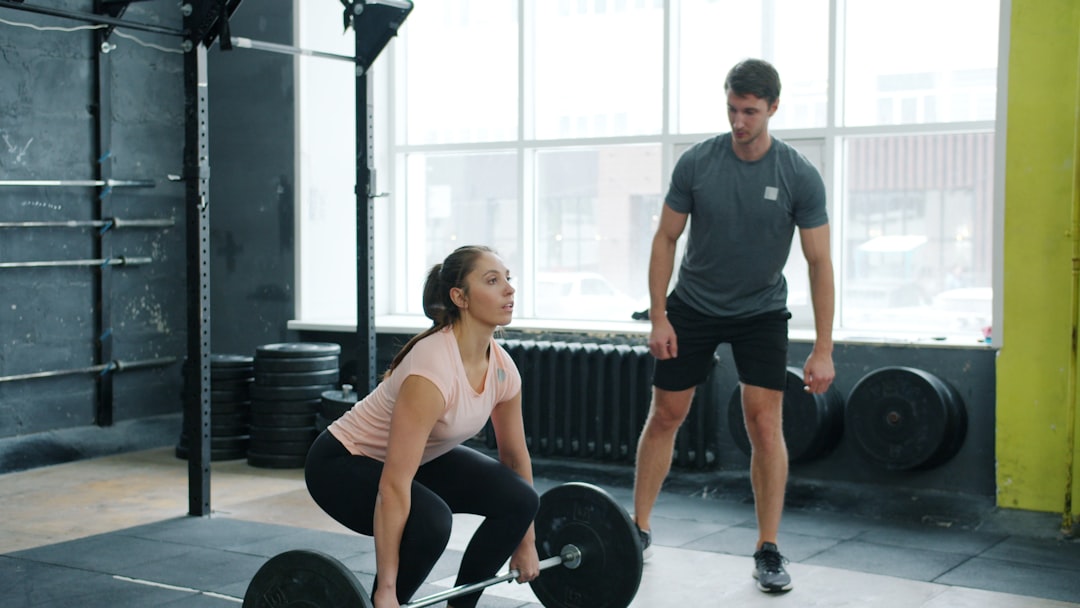
Squatting is a fundamental exercise that builds strength and mobility, but improper form can lead to injuries. Beginners in the UK often struggle with stance, depth, and knee alignment when learning to squat properly. This guide breaks down the essential steps to perform a safe and effective squat, highlighting common errors and how to avoid them. Understanding the correct technique helps maximise results and reduces strain on joints and muscles. For more on beginner workout plans for men UK, see our guide.
Why Most Men Eat Wrong for Their Training Goals
Eating wrong for training goals means consuming macronutrients and calories that don’t support muscle growth or fat loss. Protein is essential for muscle repair and growth, with the British Nutrition Foundation protein requirements stating that adult men need at least 0.75 grams of protein per kilogram of bodyweight daily. Many men underconsume protein, limiting progress. Overeating calories without balanced nutrients leads to fat gain rather than lean muscle. Misaligned nutrition and training hinder strength gains and recovery.
The Three Numbers Every Man Needs to Know
Three numbers determine effective nutrition and training: calories, protein, and bodyweight. Begin by calculating your daily calorie needs to maintain or adjust weight; the NHS understanding calories states average adult men require around 2,500 kcal/day but this varies by activity. Next, protein intake should be 1.6 to 2.2 grams per kg of bodyweight for muscle building and recovery, as supported by the British Nutrition Foundation. Finally, bodyweight guides portion control and progress tracking. UK supermarkets like Tesco and Aldi offer affordable protein sources to meet these targets.
If you’re tired of paying personal trainers or apps to tell you what to do, stop. For just £49.99, the Kira Mei Men’s Blueprint teaches you exactly how to build your own effective nutrition and workout plans — no fluff, no guesswork, no monthly fees. Realise your potential by taking control yourself. Get the blueprint now.
The Cheapest High-Protein Foods in UK Supermarkets
The three mistakes that limit affordable protein intake are relying on expensive cuts of meat, ignoring plant-based proteins, and buying pre-packaged snacks. These lead to overspending and poor nutrition. According to Money Saving Expert cheap protein sources UK, economical options include canned tuna, eggs, and dried lentils. Eggs provide around 13 grams of protein each at low cost. Lentils offer 9 grams per 100 grams cooked and are versatile. Canned tuna packs approximately 24 grams of protein per 100 grams and stores well. Combining these staples supports muscle repair without breaking the budget.
How to Build a Day of Eating That Actually Hits Your Targets
Contrary to popular belief, hitting your nutrition targets isn’t about complicated meal plans but consistent portions of key foods. The NHS Eatwell Guide recommends balancing portions of protein, starchy carbs, fruits, and vegetables daily. For example, a day might include breakfast with two eggs and wholemeal toast, lunch with lentil soup and mixed salad, and dinner with grilled chicken, potatoes, and steamed vegetables. Snacks such as Greek yoghurt or nuts can boost protein intake. Tracking portion sizes and including at least 1.6 grams of protein per kg bodyweight ensures effective muscle support.
Milo helps you stay consistent — no spreadsheets, no guesswork.
Your No-Faff Weekly Nutrition Plan
Start each week by shopping for protein-rich staples like eggs, canned tuna, lentils, chicken breast, and seasonal vegetables. Plan three meals and two snacks daily to meet calorie and protein targets. Prepare meals in bulk to save time and reduce temptation to stray from goals. Use simple seasoning and cooking methods like grilling, boiling, or steaming for health and convenience. Adjust portions based on weekly weight or strength changes.
Frequently Asked Questions
How do I squat properly as a beginner in the UK?
To squat properly as a UK beginner, stand with feet shoulder-width apart, toes slightly out. Keep your chest up and core engaged. Lower yourself by pushing hips back and bending knees until thighs are parallel to the floor. Make sure knees track over toes and don’t cave inward. Keep weight on your heels and rise by driving through them. This form reduces injury risk and optimises muscle activation.
What common mistakes should UK beginners avoid when squatting?
Common mistakes for UK beginners squatting include letting knees collapse inward, rounding the lower back, and lifting heels off the ground. These errors increase injury risk and reduce effectiveness. Focus on knee tracking over toes, maintaining a neutral spine, and keeping weight on heels. Practising bodyweight squats before adding load can help establish correct form.
How deep should a beginner squat go for safe training?
Beginners should aim to squat until their thighs are parallel to the floor, approximately 90 degrees at the knee. Going deeper may be possible with good hip mobility, but parallel depth is sufficient for muscle engagement and reduces joint strain. Maintaining proper alignment at this depth ensures safety during squats.
How often should a UK beginner practice squats to improve form?
UK beginners should practise squats 2 to 3 times per week focusing on technique with 3 sets of 8 to 12 reps using bodyweight. Consistent practice reinforces proper movement patterns and builds strength. Gradually increase volume or resistance once confident with form to avoid injury.
What role does protein intake play when starting squats?
Protein intake supports muscle repair and growth when starting squats. According to the British Nutrition Foundation, adult men require at least 0.75 grams of protein per kilogram of bodyweight daily, with higher amounts recommended for muscle building. Meeting protein targets aids recovery and enhances strength gains from squat training.
Stop paying someone to tell you what to do. For £79.99, get the Kira Mei Men’s Blueprint and learn how to build your own plans that actually work. Buy the blueprint today and take control.
Disclaimer: This article is for informational purposes only and does not constitute medical, nutritional, or professional fitness advice. Always consult a qualified healthcare professional before making changes to your diet or exercise routine.
Leave a Reply