
Kira Mei is a certified personal trainer helping UK men over 40 build muscle, lose fat, and start training without the overwhelm. She designs programmes that work around real life — jobs, families, and a body that isn’t 25 anymore.
Eating enough protein without supplements in the UK is achievable by focusing on whole foods and understanding your personal needs. Protein intake depends on bodyweight and activity level, with the British Nutrition Foundation recommending 0.75g per kg bodyweight for adults. This guide explains the key numbers to track, the best affordable protein sources from UK supermarkets, and a practical daily meal plan to hit your targets without relying on powders or pills. For more on nutrition for men UK, see our guide.
Why Most Men Eat Wrong for Their Training Goals
Protein intake is the amount of protein consumed daily, crucial for muscle repair and growth. The British Nutrition Foundation protein requirements clearly state that the average adult needs 0.75g per kg of bodyweight, but active men require more to support training adaptations. One common mistake is eating too little protein overall, which limits progress and recovery. Another error is timing; spreading protein evenly across meals optimises muscle protein synthesis. Lastly, overreliance on processed foods often leads to insufficient protein quality and quantity. For example, a man weighing 75kg should aim for at least 120g of protein daily when training regularly. Recognising these facts is key to adjusting eating habits effectively.
The Three Numbers Every Man Needs to Know
To eat enough protein without supplements, start with three key numbers: your bodyweight, your protein target, and your daily calorie target. First, weigh yourself accurately. Then multiply your bodyweight in kilograms by 1.6 to 2.2g to find your protein range. For example, a 70kg man should target 112g to 154g of protein daily. Next, calculate your calorie needs based on activity level using NHS understanding calories guidelines. Protein should make up around 15–25% of your total calories. Finally, distribute protein intake evenly across 3 to 5 meals a day, each containing 25–40g of protein. Shopping at UK supermarkets like Tesco, Aldi, or Sainsbury’s allows access to affordable protein sources to meet these numbers.
Stop paying someone to tell you what to eat and how to train. The Kira Mei Men’s Blueprint teaches you exactly how to build your own nutrition and workout plans that work for your body and goals — no personal trainer required. For just £49.99, you get a straightforward, no-nonsense programme that cuts through the fluff and lets you take control. Why waste money on automated apps or PTs when you can learn to do it yourself?
The Cheapest High-Protein Foods in UK Supermarkets
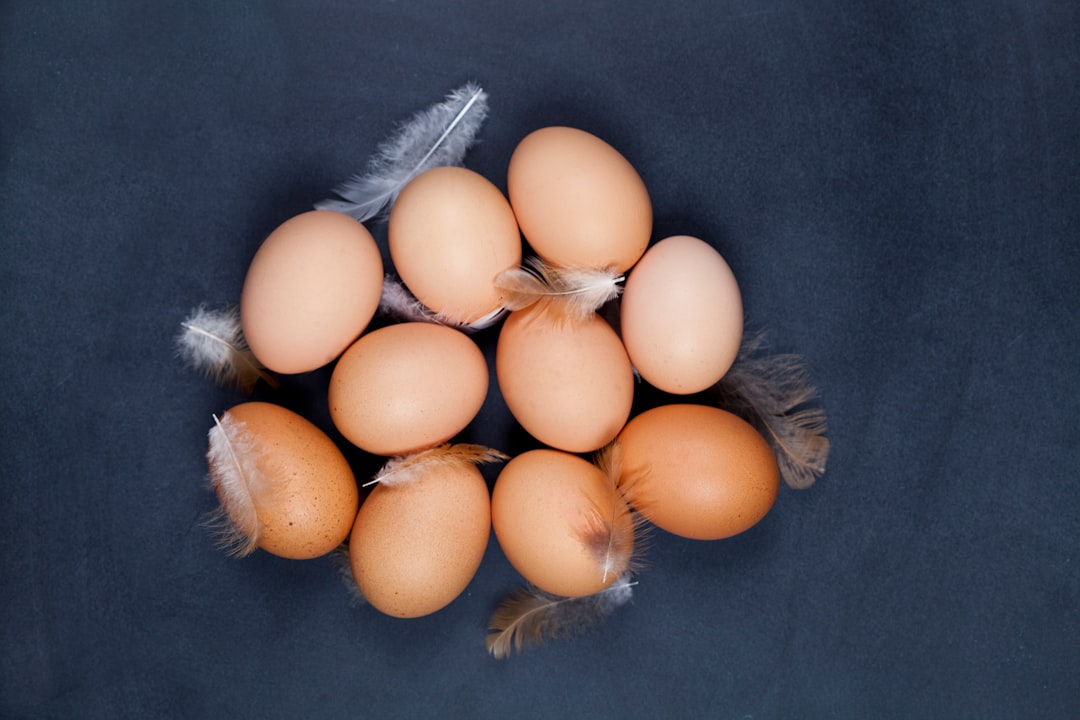
The three mistakes that limit protein intake on a budget are ignoring supermarket deals, choosing processed ready meals, and avoiding plant-based protein. According to Money Saving Expert cheap protein sources UK, eggs cost as little as 11p each and provide 6g of protein, making them a top budget option. Canned tuna and sardines are another cheap source, offering about 20g of protein per 100g serving and lasting long in the cupboard. Pulses such as lentils and beans are low-cost, rich in protein and fibre, costing under £1 per 500g. Avoiding processed ready meals saves money and ensures better protein quality. Combining these foods can hit protein targets affordably without supplements.
How to Build a Day of Eating That Actually Hits Your Targets
A less obvious insight is that planning meals around protein density and portion size makes hitting your target effortless. For example, breakfast could be 3 scrambled eggs (18g protein) with wholemeal toast. Lunch might include a tuna salad with 150g canned tuna (30g protein) and mixed vegetables. Afternoon snack could be a pot of Greek yoghurt (10g protein) with a handful of nuts. Dinner could feature 150g chicken breast (40g protein) with rice and steamed greens. This day totals approximately 100g of protein, covering the needs of a 60–70kg man training regularly. The NHS Eatwell Guide supports such balanced meals with protein from diverse sources while meeting micronutrient needs.
Stop paying someone to tell you this. Learn to build your own plan with the Kira Mei Men’s Blueprint — a clear, direct programme for £49.99 that shows you how to take control of your nutrition and training without relying on trainers or apps.
Your No-Faff Weekly Nutrition Plan
Create a weekly plan focused on buying and preparing versatile protein sources like eggs, canned fish, pulses, lean meats, and dairy. Cook in bulk where possible and portion meals to ensure consistent protein intake every day. Aim to hit your calculated protein target daily, adjusting portions as needed. Include vegetables and whole grains for overall health. Plan shopping trips around supermarket offers to save money. Regularly track weight and protein intake to fine-tune your plan.
Frequently Asked Questions
How much protein do I need daily without supplements in the UK?
Adults in the UK need at least 0.75g of protein per kilogram of bodyweight daily, according to the British Nutrition Foundation. Active men aiming for muscle growth should target between 1.6g and 2.2g per kilogram to support training and recovery.
What are cheap high-protein foods available in UK supermarkets?
Cheap high-protein foods in UK supermarkets include eggs (6g protein each), canned tuna and sardines (about 20g protein per 100g), and pulses like lentils and beans, which cost under £1 per 500g and offer substantial protein and fibre, according to Money Saving Expert.
Can I meet my protein needs without using protein powders in the UK?
Yes, you can meet protein needs through whole foods such as eggs, dairy, canned fish, lean meats, and pulses. Planning meals to include 25–40g of protein per meal across 3 to 5 meals daily ensures adequate intake without protein powders.
How should I distribute protein intake throughout the day?
Distributing protein evenly across meals optimises muscle protein synthesis. Aim for 3 to 5 meals per day, each containing 25–40g of protein. This approach aligns with the British Nutrition Foundation’s guidelines and supports recovery and muscle maintenance.
What is a practical daily meal example to hit protein targets without supplements?
A practical day includes 3 scrambled eggs for breakfast (18g protein), a tuna salad with 150g canned tuna for lunch (30g protein), Greek yoghurt snack (10g protein), and 150g chicken breast with rice for dinner (40g protein), totalling around 100g protein suitable for an active 60–70kg man.
Take control today. Get the Kira Mei Men’s Blueprint for £49.99 and stop paying others to tell you what to do.
Disclaimer: This article is for informational purposes only and does not constitute medical, nutritional, or professional fitness advice. Always consult a qualified healthcare professional before making changes to your diet or exercise routine.
Leave a Reply