
Kira Mei is a certified personal trainer helping UK men over 40 build muscle, lose fat, and start training without the overwhelm. She designs programmes that work around real life — jobs, families, and a body that isn’t 25 anymore.
Starting the bench press as a beginner can be daunting without clear guidance on form, nutrition, and progression. In the UK, beginners need to understand the basics of bench press technique alongside key nutritional targets that support muscle growth. This guide explains how to bench press safely and effectively, with straightforward advice on protein intake, affordable food options from UK supermarkets, and a practical day of eating to fuel your workouts and recovery. For more on beginner workout plans for men UK, see our guide.
Why Most Men Eat Wrong for Their Training Goals
Muscle growth depends on consistent strength training paired with adequate nutrition. The British Nutrition Foundation protein requirements specify that adult men should consume between 0.75 and 1.0 grams of protein per kilogram of bodyweight daily, but those engaged in resistance training should aim for 1.6 to 2.0 grams. Many men fail to meet these targets, undermining their progress. Additionally, poor timing of meals and an imbalance of macronutrients can impede muscle recovery and adaptation. Using the NHS Eatwell Guide as a framework ensures a balanced intake of carbohydrates, fats, and proteins, which supports energy needs and overall health. Neglecting these principles can lead to stalled progress and increased injury risk.
The Three Numbers Every Man Needs to Know
To optimise bench press gains, focus on three key numbers: calories, protein, and bodyweight. Calories need to be slightly above maintenance to fuel muscle growth, often around 250–500 kcal surplus. Protein should be 1.6–2.0 grams per kilogram of bodyweight daily, aligned with the British Nutrition Foundation protein requirements. Bodyweight is your baseline to calculate these targets precisely. For instance, a 75 kg man should aim for 120–150 grams of protein daily. UK gyms such as PureGym and The Gym Group provide affordable access to equipment for training progress. Supermarkets like Tesco and Aldi stock budget-friendly protein sources. Tracking these numbers ensures nutrition supports strength gains and recovery effectively.
Stop paying someone to tell you what to eat and how to train. For just £49.99, the Kira Mei Men’s Blueprint teaches you how to build your own workout and nutrition plans that actually work — no personal trainer nonsense, no automated gimmicks. Realise your potential by learning the system yourself at kiramei.co.uk/mens.
The Cheapest High-Protein Foods in UK Supermarkets
The three mistakes that hinder protein intake are relying on expensive supplements, neglecting whole foods, and ignoring budget options. According to Money Saving Expert cheap protein sources UK, affordable options include canned tuna, dried lentils, and frozen chicken breasts. These foods provide high protein content per pound, helping beginners meet their targets without overspending. Ignoring these options can lead to poor nutrition or excessive costs. Incorporating eggs, low-fat dairy, and pulses from supermarkets like Lidl and Asda adds variety and value. These choices align with the NHS Eatwell Guide, supporting a balanced diet rich in protein and other nutrients.
How to Build a Day of Eating That Actually Hits Your Targets
Contrary to popular belief, eating for muscle gain doesn’t require complex meals or expensive ingredients. A practical day of eating includes breakfast with oats and eggs, lunch with chicken and brown rice, snacks of Greek yoghurt and fruit, and dinner with lentils and vegetables. This pattern meets protein targets and balances carbohydrates and fats as recommended by the NHS Eatwell Guide. For example, consuming 150 grams of protein across meals supports recovery and muscle synthesis. Planning meals around supermarket deals and seasonal produce keeps costs down. This approach simplifies nutrition, ensuring you fuel your bench press training without unnecessary complications.
Milo helps you stay consistent — no spreadsheets, no guesswork.
Your No-Faff Weekly Nutrition Plan
Focus on hitting your protein and calorie targets every day. Plan meals with protein-rich foods like eggs, canned tuna, chicken, lentils, and dairy. Prepare simple meals in bulk to save time and money. Shop weekly at budget supermarkets such as Aldi or Lidl for affordable, high-quality ingredients. Track your intake to ensure you meet the British Nutrition Foundation protein requirements of 1.6–2.0 grams per kilogram of bodyweight daily. Adjust portion sizes based on your bodyweight and training intensity.
Frequently Asked Questions
How do I bench press safely as a beginner in the UK?
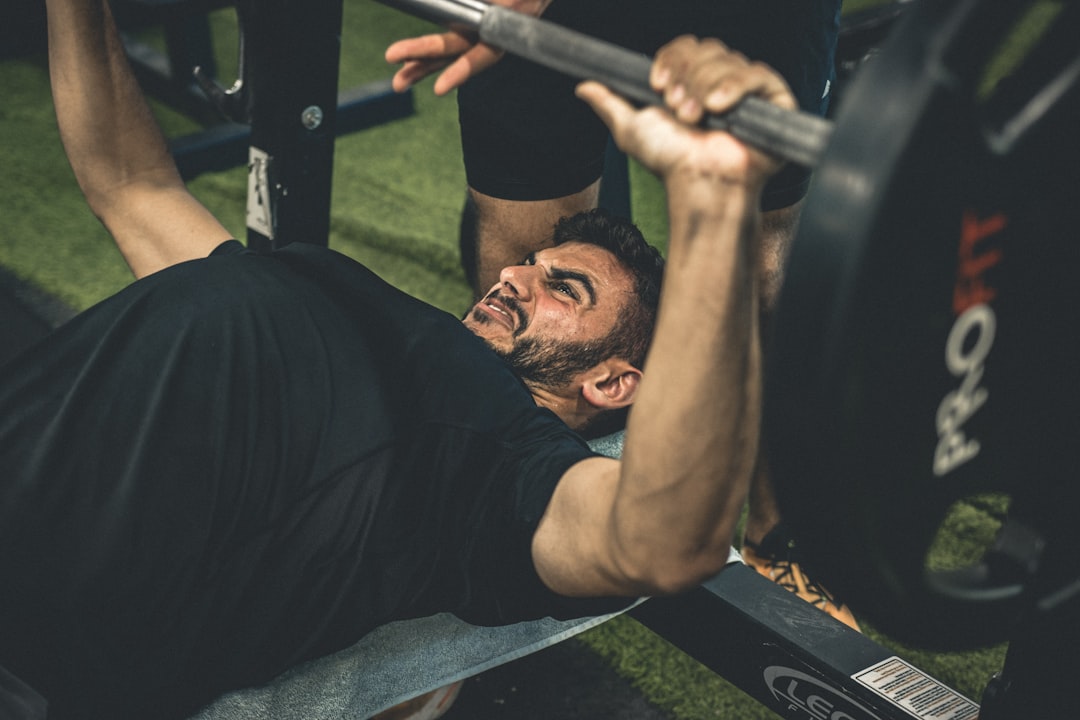
Start with light weights and focus on correct form: lie flat, grip the bar slightly wider than shoulder-width, lower it to mid-chest, and press up steadily. Use a spotter or safety racks. Following this approach reduces injury risk and builds strength gradually.
How much protein should I eat to support bench press gains?
For muscle growth, aim for 1.6 to 2.0 grams of protein per kilogram of bodyweight daily, according to the British Nutrition Foundation protein requirements. This supports muscle repair and strength improvements.
What are affordable protein sources in UK supermarkets?
Cheap high-protein foods include canned tuna, dried lentils, frozen chicken breasts, eggs, and low-fat dairy. Money Saving Expert cheap protein sources UK lists these as cost-effective options for meeting protein targets.
How many calories should I consume to build muscle with bench press training?
A daily calorie surplus of 250–500 kcal above maintenance supports muscle growth. The exact amount depends on your bodyweight and activity level. NHS understanding calories provides guidance on managing intake effectively.
Can I bench press effectively without complicated meal plans?
Yes. Simple meals with whole foods like oats, eggs, chicken, lentils, and vegetables can meet protein and calorie needs. The NHS Eatwell Guide helps balance nutrients for effective muscle building.
Stop paying for personal trainers to tell you what to do. Get the Kira Mei Men’s Blueprint for £79.99 and learn how to build your own effective workout and nutrition programmes. Take control at kiramei.co.uk/mens.
Disclaimer: This article is for informational purposes only and does not constitute medical, nutritional, or professional fitness advice. Always consult a qualified healthcare professional before making changes to your diet or exercise routine.
Leave a Reply